ETWAS: An invitation to do something
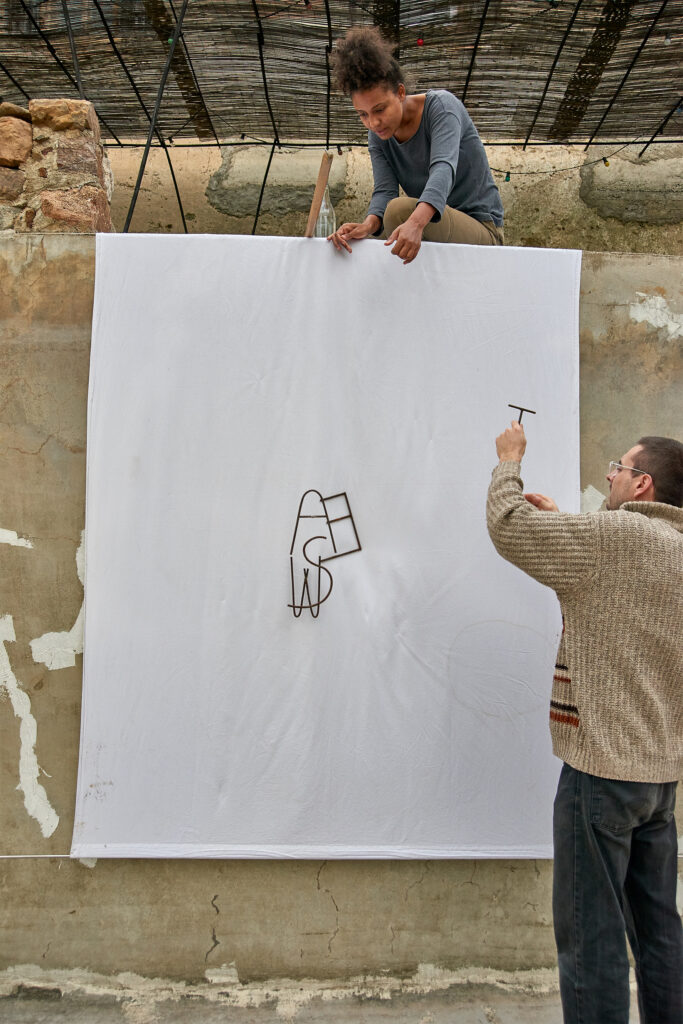
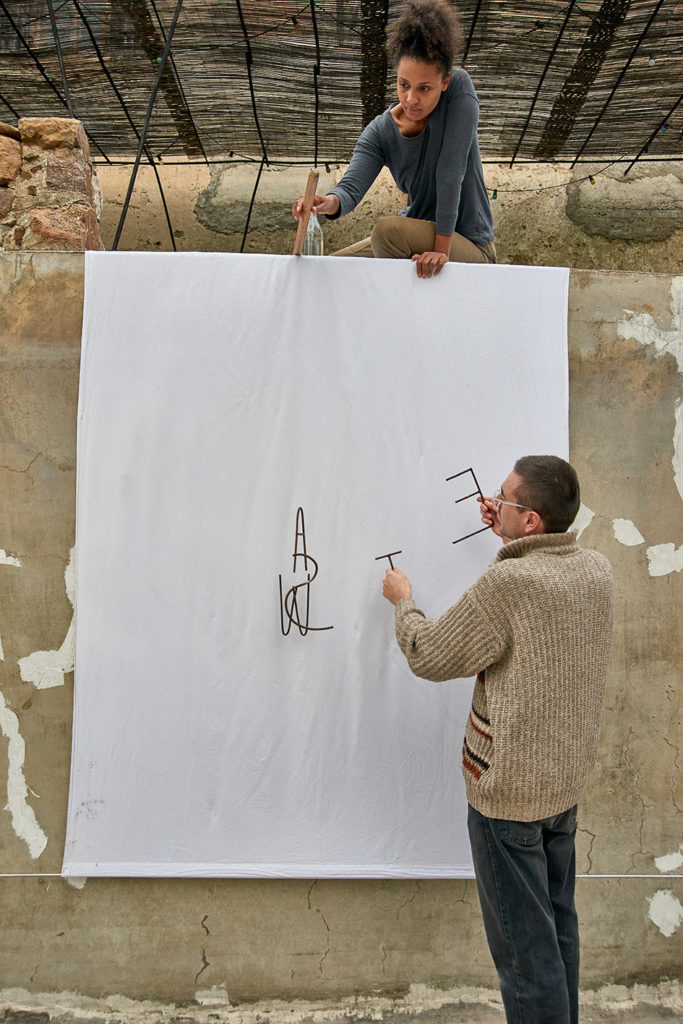
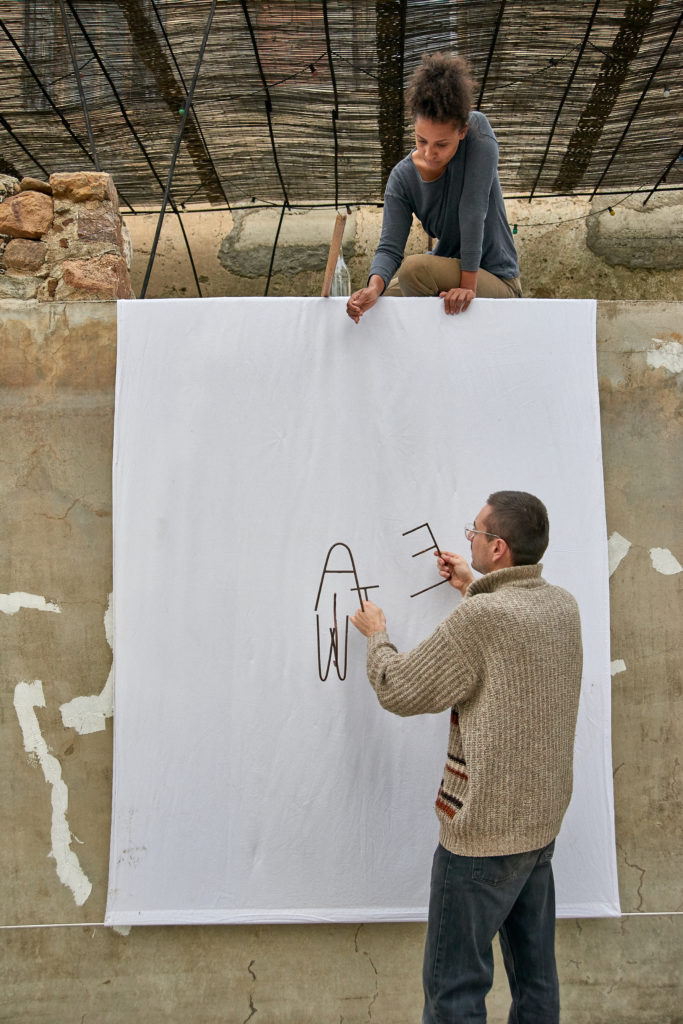
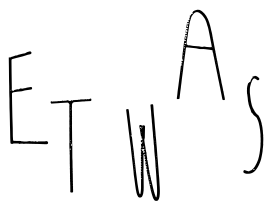
ETWAS was founded in 2016 by Kadia Dabo and Kévin Cabaret, French-German artists and designers. Meaning “something” in German, ETWAS offers an invitation rather than a definition: an invitation to act, to activate, to create situations.
Neither an artists’ collective nor a conventional arts engagement organisation, ETWAS emerged in the south of France through work in contexts where material, symbolic, and institutional resources often seemed scarce. It was precisely within these absences that a fertile ground for experimentation began to take shape.
Since 2024, Cologne has become a new base for ETWAS, extending this practice into a different social, cultural, and institutional environment.
ETWAS is an artistic practice rooted in lived situations.
It develops from what is already there: gestures, stories, habits, and relationships that are already unfolding and that can be made visible, activated, or transformed through artistic practice.
Rather than producing finished works, ETWAS creates frameworks for collective creation in which forms emerge through shared experience. Each project becomes a space for experimentation: a setting where people, knowledge, practices, and imaginaries can meet and transform one another.
The practice moves across different fields — art, social engagement, education, and everyday culture — without settling permanently within any one of them. It seeks neither to illustrate a topic nor to serve a single purpose. Instead, it focuses on what can emerge when time, place, and collective attention come together.
Projects take many forms: workshops, field-based inquiries, installations, participatory processes, collections, publications, public situations, and exhibitions.
This diversity is not a sign of dispersion but of a consistent way of working: starting from reality, creating the conditions for shared experience, and allowing forms to develop through the relationships they make possible.
ETWAS understands art as a living practice, capable of creating subtle shifts in perception, forms of participation, and spaces in which people can reconsider how they inhabit the world and relate to one another.